The Statement, The Design, and the Digital Product: Unpacking "I Can't Hear You I'm Gaming"
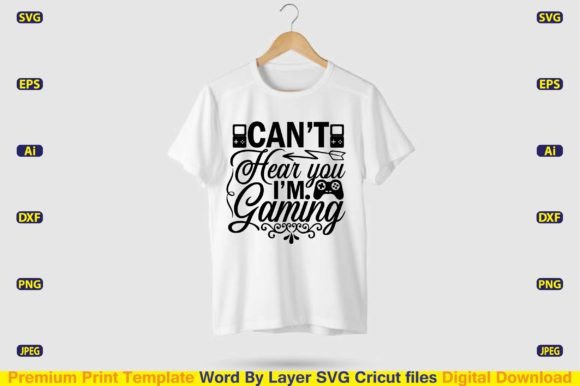
The phrase "I Can't Hear You I'm Gaming" has transcended its origins as a humorous, slightly defiant excuse. It has become a cultural shorthand, a badge of identity for a generation deeply immersed in digital worlds. This simple statement captures a moment of focused engagement, a prioritization of virtual tasks over immediate real-world interruptions. Its popularity makes it a powerful subject for creative expression, particularly in the form of customizable digital art and ready-to-print designs.
From Catchphrase to Creative Asset
What begins as a relatable meme evolves into a versatile graphic element. The transition from text on a screen to a physical product on a t-shirt or mug requires a specific set of digital tools. This is where the practical value of a comprehensive design bundle becomes clear. For creators, hobbyists, or small business owners, having access to a professionally crafted design in multiple, editable formats unlocks a world of application.
The Core Components of a Ready-to-Use Design Bundle
A complete package for a design like "I Can't Hear You I'm Gaming" is built to serve different needs and technical skill levels. Each file type included has a distinct purpose in the production and customization workflow.
- Editable Source Files (AI, EPS): These are the foundational blueprints. Adobe Illustrator (AI) or Encapsulated PostScript (EPS) files contain the original vector data. This means the design is made of mathematical points and paths, not pixels. The primary advantage here is infinite scalability; you can resize the graphic to any dimension without any loss of quality. Furthermore, these files allow for deep customization—changing colors, altering text fonts, or adding new elements is straightforward for anyone with access to vector editing software.
- Scalable Vector Graphics (SVG): This format is crucial for web-based applications and modern digital fabrication. SVGs are also vector-based and are widely supported by web browsers, design software, and even some cutting machines. Their scalability and small file size make them ideal for online use, while their precision is perfect for processes like CNC routing or vinyl cutting.
- CAD-Ready Format (DXF): The DXF file is a neutral data format used primarily for computer-aided design (CAD) and manufacturing. It is exceptionally useful for makers and fabricators who use laser cutters, engravers, or plotters. This file allows the precise outlines of the design to be interpreted by machines to cut materials like wood, metal, or acrylic directly.
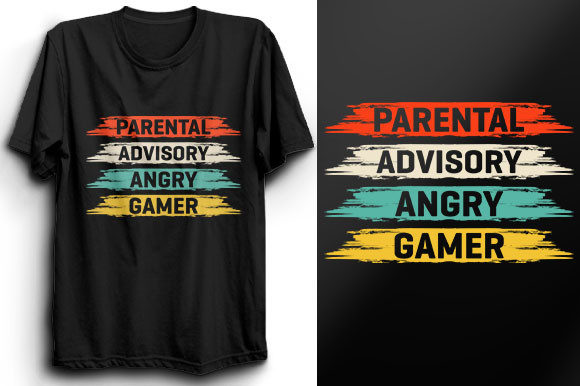
- High-Resolution Raster Images (PNG 300dpi, JPG): These are the ready-to-print outputs. The PNG file at 300 dots per inch provides a high-quality image with a transparent background. This is vital for placing the design onto various mockup backgrounds or directly onto products where the artwork needs to blend seamlessly without a white border. The JPG file with a high-quality mockup gives a realistic preview of how the final design would look on a physical item, such as a t-shirt, which is invaluable for marketing and customer presentation.
Practical Applications and Real-World Use Cases
The utility of such a diverse file set extends across numerous fields and activities. It democratizes design application, enabling both professionals and casual enthusiasts to execute projects with a high degree of finish.
For Merchandise Creation and Small Businesses
Entrepreneurs looking to capitalize on popular culture can leverage these files to quickly launch a product line. The editable vector files allow for branding adjustments—perhaps integrating a specific shop logo or altering the color scheme to match seasonal trends. The high-resolution PNGs can be sent directly to print-on-demand services or local printers for production on t-shirts, hoodies, mugs, and stickers. The included mockup JPGs can be used immediately on e-commerce sites or social media to showcase the products without needing expensive photography.
For Makers, Crafters, and Hobbyists
The DXF and SVG files open doors for hands-on fabrication. A hobbyist with a home laser cutter can use the DXF to engrave the phrase onto a custom gaming desk accessory or cut it from vinyl for a personalized PC case decal. The SVG might be used with a cutting machine to create precise appliques for fabric projects. The transparent PNG could be used to design custom skins for gaming consoles or laptops using simple software.
For Digital Content Creators and Educators
The phrase's cultural relevance makes it a useful element in digital content. A video editor might use the transparent PNG as an overlay graphic in a gaming stream or tutorial. An educator creating material about modern communication or digital culture could incorporate the vector artwork into presentations or handouts. The scalability ensures it looks sharp at any size, from a full-screen slide to a small icon.
Considerations for Effective Use and Customization
While the bundle provides the technical assets, successful implementation relies on a few key considerations.
First, understanding the hierarchy of files is important. The AI or EPS file is the master source. All modifications should ideally start there to maintain quality, then export to the specialized formats (SVG, DXF, PNG) as needed for specific applications. Trying to edit a PNG file, for example, will result in limited quality and flexibility compared to editing the original vector.
Second, color changeability is a noted feature, but its execution depends on the software used. In vector editors, changing colors is often a matter of selecting a shape and choosing a new fill. This allows for creating themed variations—perhaps a monochrome version for minimalist apparel, or colors that match a specific gaming franchise's palette. This adaptability makes one base design capable of serving multiple niche markets.
Finally, the instruction that all files are included in one ZIP file addresses a common logistical hurdle. It ensures organization and portability. Downloading and extracting this single archive provides a complete project folder, avoiding the risk of missing a critical file format later in the process. This streamlined delivery is particularly helpful for teams or when transferring the project between different computers or collaborators.
The Intersection of Culture and Commerce
The phenomenon of "I Can't Hear You I'm Gaming" as a design product highlights a broader trend where internet culture directly fuels creative commerce. The phrase carries meaning—it's humorous, self-aware, and community-oriented. This intrinsic value gives the graphic an audience before it even hits the printer. The provided technical bundle then converts that cultural capital into tangible assets. It removes the barrier of complex design work for the seller or maker, allowing them to focus on production, marketing, and distribution.
For the end consumer, whether they are a gamer buying a sticker or a business owner purchasing a design for their merch line, the value lies in completeness and flexibility. They are not just buying an image; they are acquiring a multi-format toolkit that can adapt to future needs. The ability to print on any printable product, as listed, is not an exaggeration but a direct result of the file types provided. The vector formats ensure quality for large format printing like posters, while the raster images optimize for fabric and ceramic applications.
In essence, this approach to digital product design bridges a gap. It captures a specific, zeitgeist moment embodied by "I Can't Hear You I'm Gaming" and packages it in a way that is both immediately usable and fundamentally adaptable. It serves the professional seeking a quick-turnaround product and the hobbyist experimenting in their workshop with equal efficacy, demonstrating that in today's creative economy, utility and relevance are often delivered in one comprehensive, extractable ZIP file.