The Art of Abstract Gaming Background Offline
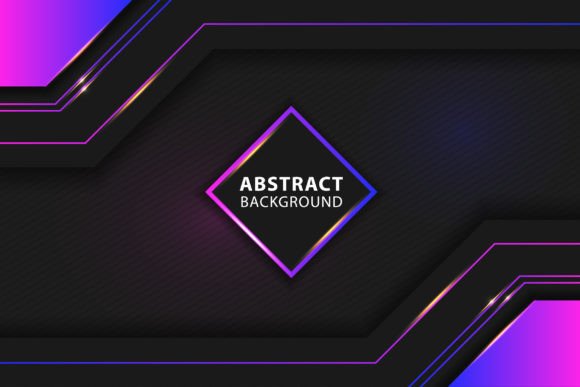
In the vibrant world of digital content creation, the visual stage behind a presenter is more than just empty space. It’s a canvas for identity, a tool for focus, and a statement of style. For streamers, educators, and professionals broadcasting offline—meaning their primary content is pre-recorded, edited, or not live—this canvas becomes particularly crucial. An Abstract Gaming Background Offline offers a powerful, versatile solution. It is a designed, often digitally created, backdrop that uses non-representational forms, colors, textures, and patterns to establish an atmosphere without depicting specific game scenes or characters.
What makes this concept so interesting is its liberation from literal representation. Instead of a screenshot from a latest RPG or a bustling in-game marketplace, an abstract background uses geometric shapes, fluid gradients, minimalist lines, or dynamic particle simulations. This shift from specific to suggestive opens a world of creative utility. It prevents visual clutter that can distract from your core message, it sidesteps potential copyright issues with game assets, and it creates a cohesive, branded look that works across diverse content topics—from game development tutorials to business podcasts that occasionally discuss industry trends.
Creative Possibilities Beyond the Screen
The abstract approach isn't a single style; it's a creative direction. Its usefulness stems from its adaptability. Consider the possibilities not just as static images, but as a philosophy for your visual space.
Variations in Style and Mood
You can tailor the abstraction to match your channel’s tone. A minimalist, monochromatic background with subtle grid lines or floating shapes conveys professionalism and clarity, ideal for analytical content or educational series. A kinetic, colorful background with animated swirling particles or shifting gradients evokes energy and innovation, perfect for creative tech reviews or inspirational talks. A textural, organic background using abstract blobs or liquid-like forms can feel more artistic and approachable, suitable for hobbyist communities or personal vlogs.
These styles are tools. A marketer discussing gamification in advertising might use a background with abstract, puzzle-like interconnected shapes to visually hint at systems and connections without showing a specific game. An entrepreneur teaching project management could employ a clean, layered abstract backdrop to symbolize structure and planning.
Practical Applications and Project Ideas
How do you move from idea to implementation? The application of an Abstract Gaming Background Offline is where its grounded value shines.
For Different Content Formats
Pre-recorded Tutorials & Courses: Here, consistency is key. An abstract background becomes your visual signature across a series of videos. It helps viewers immediately recognize your content and reduces production time searching for new backdrops each session. You can create slight variations—color shifts or element movements—to denote different modules or chapters while maintaining overall brand cohesion.
Edited Podcasts with Visual Components: Many podcasts release video versions. An abstract background provides a clean, non-distracting space for host footage or guest interviews, subtly reinforcing the podcast’s theme (like “gaming culture” or “digital design”) without literal imagery that might compete with the audio-focused conversation.
Presentation Videos & Business Talks: When presenting to a broader audience, a literal gaming backdrop might confuse viewers about your topic. An abstract design subtly nods to a gaming sensibility while remaining professional and topic-agnostic. It signals that you operate in or understand that space without being exclusively about it.
Adapting for Audience and Platform
Your audience’s expectations should guide your abstraction. A channel for seasoned game developers might use a more technical, code-inspired abstract pattern (like visualizations of algorithms). A channel aimed at casual gaming hobbyists might opt for warmer, more playful abstract colors and softer forms. The background supports the content, not dominates it.
Platform considerations are also practical. For YouTube, where video length allows for more viewer immersion, you can use slower, more complex abstract animations. For shorter-form platforms or social media clips, a simpler, more iconic static abstract frame might be more effective for quick recognition.
Keeping Results Effective and Original
The freedom of abstraction requires a disciplined approach to remain effective. Without some guidelines, the result can become messy or forgettable.
Clarity and Focus: The primary rule is that your background should not fight for attention with you or your content. Avoid overly busy patterns or extreme color contrasts that strain the eye. The backdrop should sit comfortably in the visual hierarchy, supporting the foreground elements—yourself, graphics, text overlays.
Consistency for Branding: Select a color palette and a set of visual motifs (e.g., specific shapes, a type of motion) and reuse them. This creates a recognizable visual language. You don’t need the same exact file every time, but the family resemblance should be clear. This builds trust and professionalism.
Originality Through Personal Touch: While template assets exist, injecting a personal touch makes your space unique. This could be as simple as customizing a color scheme to match your logo, or as involved as creating your own abstract animations using basic motion graphics software. The goal isn’t necessarily high art, but a design that feels intentional and connected to you.
Realistic Examples for Inspiration
- A freelancer creating video content about UI/UX design for games uses a background of abstract, softly overlapping rectangles and circles in neutral tones, mimicking interface elements without being a specific UI.
- A blogger recording videos about gaming history employs a background with abstract, parchment-like textures and subtle, pixel-art inspired shapes fading in the distance, evoking a sense of legacy and digital archaeology.
- A small business owner running a channel on using game principles in team management sets up a backdrop with abstract, interconnected nodes and flowing paths against a dark blue base, visualizing networks and workflows.
From Inspiration to Implementation
The journey from appreciating the idea to applying it is straightforward. Start by defining the core mood of your content. Is it analytical, energetic, or calm? Then, explore basic design tools—many free or low-cost video editing and graphic software packages can generate or allow you to create abstract backgrounds. Experiment with gradients, shape generators, and particle effects. The key is to test: record a short clip with a prototype background and watch it. Does it feel right? Does it distract?
Remember, an Abstract Gaming Background Offline is ultimately a functional creative choice. It serves your content by providing a controlled, stylish environment that speaks to a gaming-aware audience without limiting your topic scope. It’s a reminder that in digital spaces, the atmosphere you craft around your words matters. By choosing abstraction, you choose focus, flexibility, and a visual identity that can grow with your channel, adapting to new ideas while remaining unmistakably yours.