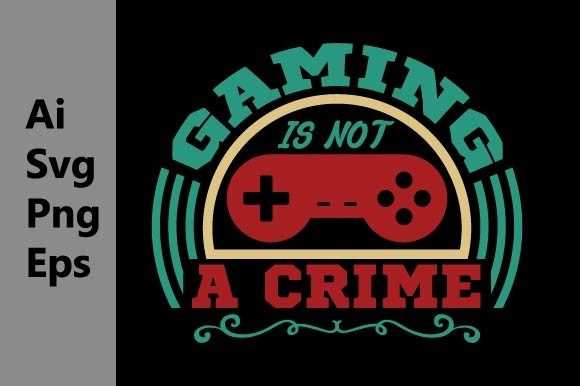
Gaming is Not a Crime: Embracing Video Game Design as Art and Expression
The phrase "Gaming is Not a Crime" is more than just a clever slogan; it is a declaration of identity and a celebration of a global culture. At its core, this concept champions the legitimacy of video games as a powerful form of entertainment, art, and social connection. When paired with "Video Game Design," it evolves into a statement of creative intent. This pairing represents the move from passive consumption to active appreciation and creation, acknowledging the immense skill, artistry, and technical prowess behind every game we play. For millions, it is a badge of belonging, a way to visually assert that their passion is valid, meaningful, and worthy of respect.
The Need for Validation in a Mainstream Culture
Despite being one of the largest entertainment industries in the world, gaming can sometimes still face outdated stereotypes. Players, designers, and enthusiasts often encounter misconceptions that their hobby is frivolous, isolating, or even detrimental. This creates a subtle but persistent need for validation—both internally, for the individual fan, and externally, within broader social and professional circles. The goal is to bridge the gap between personal passion and public perception, to transform a private interest into a shared, visible, and respected part of one's identity. This is where the symbolism of "Gaming is Not a Crime, Video Game Design" becomes immensely practical.
Wearing or displaying this design is not merely about fashion; it's a solution-focused act of communication. It instantly signals your values and community to others, fostering recognition and connection with like-minded individuals. In a workplace or social setting, it can serve as a gentle, positive educator, challenging assumptions and opening conversations about the creative and technical depths of modern video game design. It addresses the situation by providing a ready-made, artistic tool for self-expression and advocacy, turning a personal need for acceptance into a visible statement.
Practical Applications: From Statement to Daily Utility
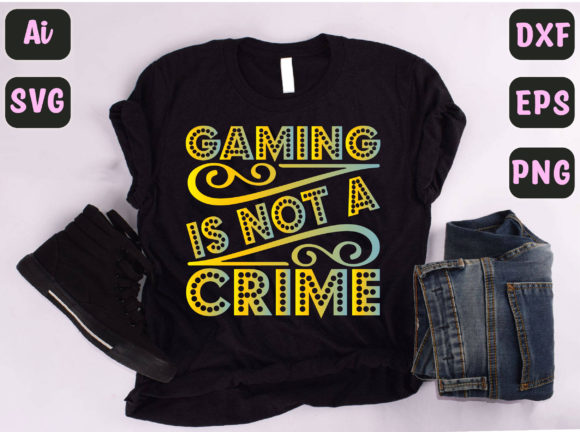
The true power of the "Gaming is Not a Crime, Video Game Design" concept lies in its versatile application. The availability of high-quality vector files (AI, EPS), SVG, and transparent PNG formats at a robust 4500 x 5400 resolution means the design transcends being just an image. It becomes a adaptable resource. This is where the philosophy meets practical, daily life.
For the creative entrepreneur or small business owner, these files are a complete toolkit. The vector formats allow for flawless scaling and modification, making the design perfect for producing custom merchandise. You can seamlessly integrate it onto t-shirts, hoodies, and tank tops to create apparel that resonates with a dedicated community. The high-resolution PNG ensures crisp, professional results on phone cases, mugs, and notebooks. This transforms a personal affirmation into a potential business opportunity, catering to a niche market that values both quality and message.
Personal Use and Community Building
For the individual enthusiast, the applications are equally impactful. Use the SVG file to create a unique vinyl decal for your laptop case, transforming your work machine into a statement of passion. The transparent PNG allows you to design custom stickers to share with friends or trade at conventions. Embroider the design on a tote bag or pillow for your gaming space, making your environment a reflection of your identity. Each use personalizes your world and broadcasts your affiliation to the creative and communal aspects of gaming. It’s a way to physically manifest your support for the artistry of video game design.
Outcomes and Positive Impact
Implementing this design into your life or products leads to tangible outcomes. On a personal level, it fosters a stronger sense of confidence and community. It can serve as a conversation starter, leading to networking opportunities with other gamers, designers, or creative professionals. For businesses, it connects you directly with a passionate customer base, building brand loyalty around shared values. The message promotes a healthier, more inclusive dialogue about gaming, shifting the focus from potential negatives to the undeniable positives: storytelling, problem-solving, teamwork, and artistic innovation.
Furthermore, by using and sharing designs like this, you contribute to a broader visual culture that normalizes and celebrates gaming. It helps move the perception of video game design from a obscure technical field to a recognized and respected creative discipline, akin to filmmaking or graphic arts. This cultural shift benefits everyone involved, from the aspiring student considering a career in game development to the parent looking to understand their child's hobby.
Tailoring the Approach to Different Users
The way one utilizes the "Gaming is Not a Crime, Video Game Design" assets depends greatly on individual goals. The casual fan might simply order a ready-made t-shirt to wear at weekend gaming sessions. The artist or DIY hobbyist might download the EPS file to merge the design with other elements, creating a unique hybrid piece for a custom hoodie or a one-off painted jacket. The online store owner will leverage all the zip format files—the AI for editing, the SVG for web graphics, and the PNG for product mockups—to build a cohesive merchandise line across stickers, magnets, and apparel.
Content creators and streamers can use the transparent PNG to overlay the design on their video thumbnails or channel art, instantly branding their content with this positive message. Educators or community organizers might incorporate the symbol into presentations or event materials when discussing the cultural impact of games. Each user finds a different, practical entry point, but all converge on the same goal: promoting a positive, creative view of gaming culture.
Recommendations and Considerations
When implementing this design, consider your audience and context. For professional settings, a minimalist approach—like a clean logo on a notebook or mug—might be most effective. For community events or conventions, bold, vibrant prints on t-shirts or totes will maximize visibility. Always ensure you are using the correct file format for your medium: vectors for scalable print work, PNGs for digital displays or ready-to-print graphics. Remember that the design's strength is its clarity and message; keep the application clean and high-quality to best represent the professional artistry inherent in video game design itself.
Ultimately, "Gaming is Not a Crime, Video Game Design" is a resource and a rallying cry. It provides the tools to visually advocate for a culture, to wear your passion proudly, and to contribute to a more nuanced understanding of what gaming represents. By moving this design from a digital file to a physical object or digital asset in your life, you actively participate in shaping that narrative. You affirm that gaming is a legitimate, rich, and creative pursuit, and that the designers behind your favorite worlds are artists worthy of acclaim. It’s a simple statement, made powerful through daily, practical use.